
Welcome to the very first deep dive on our podcast from the Neurodivergent Nook. If you are neurodivergent, you might be intimately familiar with a sudden, overwhelming wave of emotional and physical pain following a minor criticism or perceived slight. That intense reaction has a name: Rejection Sensitive Dysphoria (RSD).
We are discussing it here, and below are a few of the thoughts we have to help and support those experiencing it.
For many of us with ADHD or autism, RSD feels like a sudden tightness in the chest or a sharp physical ache. It can make a passing comment echo in your mind for weeks. We often spend years labelling ourselves as “too sensitive” or “over-emotional.” But understanding RSD changes everything.

Here are some practical ways we can begin to understand, manage, and extend compassion to ourselves when RSD strikes.
1. Name It to Tame It
Simply having a name for this experience is incredibly powerful. When you feel that sudden spike of emotional pain, take a breath and say to yourself, “This is RSD.” Normalising the experience helps calm the chaos in your mind. You are not broken, and you are not being overly dramatic. Your brain is simply processing perceived rejection intensely. Acknowledging this reality is the first step toward acceptance.
2. Challenge Your Inner Critic
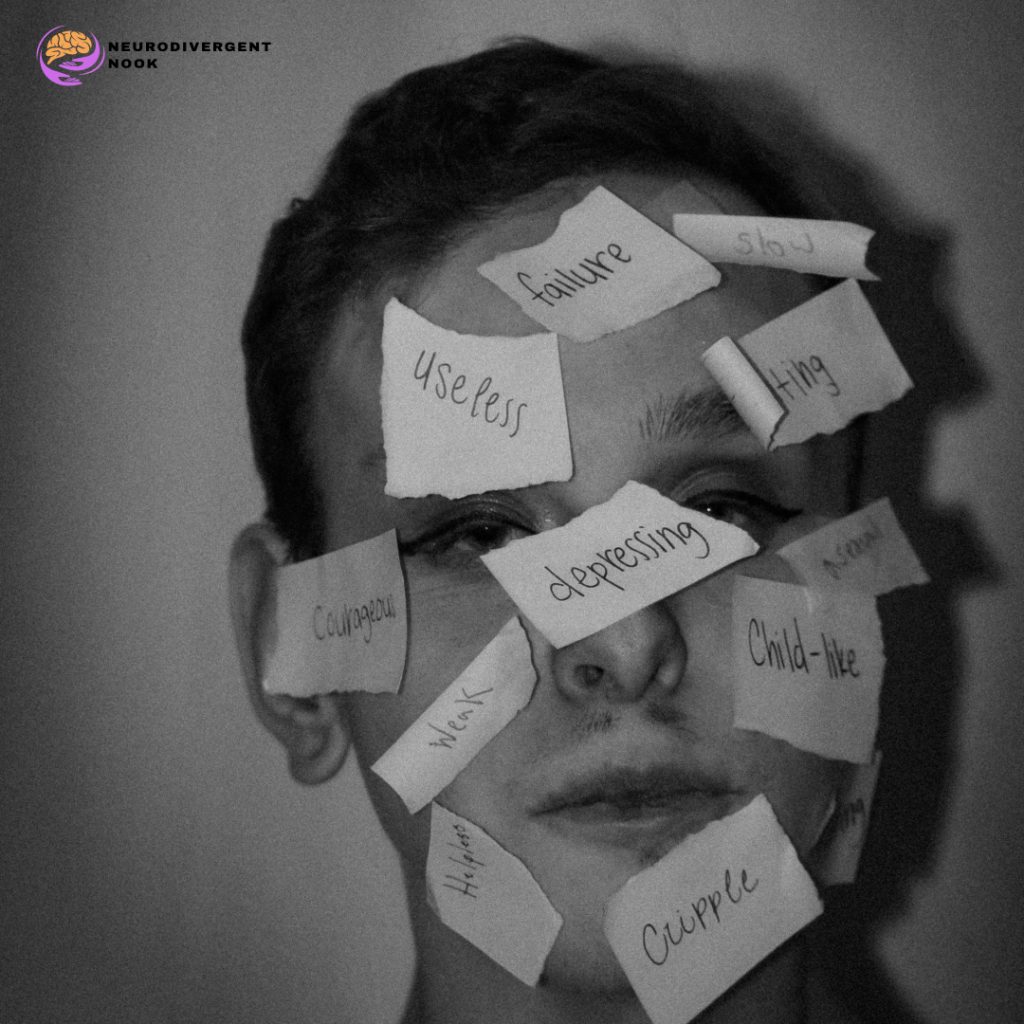
RSD often tricks us into hearing things that people never actually said. In our first podcast episode, we discussed the “dishwasher scenario.” Someone might simply ask, “Can you put that in the dishwasher?” but an RSD-triggered brain hears, “You are so messy, why haven’t you put that away yet, you are a failure.”
When you feel criticised, give yourself the time and space to pause. Stop the spiral. Ask yourself what was actually said versus what your inner critic added to the conversation. Questioning your initial perception can help diffuse the intensity of the moment.
3. Lean on a Safe Support Network
Finding a safe person or a supportive tribe is vital. When your thoughts spiral, you need someone you trust to help rationalise the situation. You can share your feelings and ask, “Am I reading too much into this?” A trusted partner, friend, or fellow neurodivergent peer can help you reality-check the situation gently, preventing you from falling deeper into a spiral of rejection.
4. Prioritise Self-Care and Sensory Regulation
RSD flare-ups are exhausting. Your capacity to handle perceived criticism fluctuates depending on your energy levels, sleep, and sensory environment. If you are burnt out, your RSD will likely be much louder.
Find what regulates your nervous system. That might mean taking time to be completely alone, having a long bath with essential oils, or adjusting your daily routine to fit your natural rhythm rather than forcing yourself into a neurotypical schedule. Let go of the need for perfection. Good enough is truly good enough, and striving for perfection will only drain the energy you need to regulate your emotions.
5. Practise Fierce Self-Compassion
Above all, be kind to yourself. Managing RSD is a continuous journey. Some days your coping strategies will work beautifully, and other days they will not. That is perfectly okay. If you need to rest for half a day to recover from an emotional spiral, allow yourself that rest without guilt.
We are all learning how to navigate our wonderfully weird, complex minds. You are more than your labels, and you are certainly more than your RSD. Treat yourself with the same empathy and kindness that you would offer a dear friend.
You belong here, exactly as you are. Be kind to others, and most importantly, be kind to yourself.
Leave a Reply